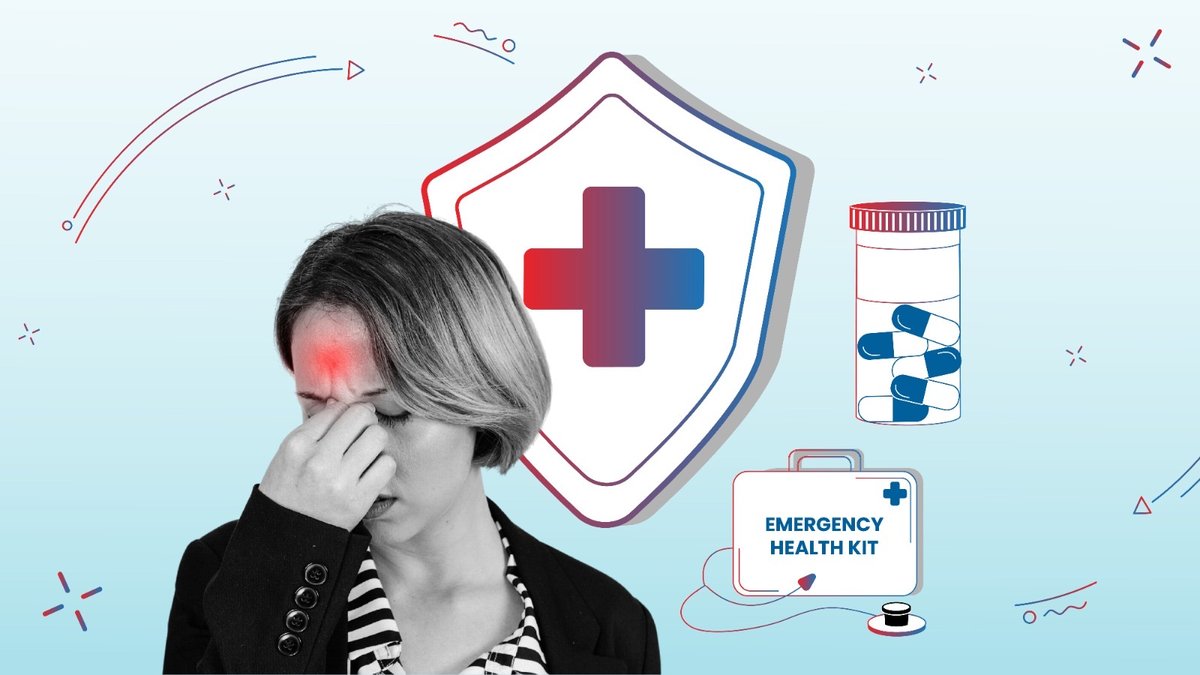
Your Financial Safety Net: Who Needs Critical Illness Insurance, and Who Doesn't?
Imagine the doctor delivers life-altering news: a cancer diagnosis, a severe stroke, or a heart attack. Your immediate concern would be your health, of course. But soon, another thought inevitably surfaces: "How will I pay for all this?" While traditional health insurance covers medical bills, it often leaves a gaping hole for everything else. This is precisely where the question of who needs critical illness insurance (and who doesn't) becomes profoundly relevant. It's a layer of protection designed not for your hospital, but for you, your family, and your financial stability during life's most challenging medical crises.
At a Glance: Key Takeaways on Critical Illness Insurance
- It’s supplemental, not a substitute: Critical illness (CI) insurance works alongside your health insurance, not in place of it.
- Lump sum, direct to you: If diagnosed with a covered condition, you receive a direct cash payment, not your doctor or hospital.
- Use it for anything: This money is yours to spend on medical deductibles, lost income, childcare, transportation, groceries, or even just peace of mind.
- Costs vary: Premiums depend on age, health, and coverage, but can be surprisingly affordable, especially through an employer.
- Not for everyone: Those with ample savings or struggling to afford basic health coverage might find it less essential.
- Read the fine print: Always understand what specific conditions are covered and any exclusions, particularly for pre-existing conditions.
The Unseen Costs of a Critical Illness
A serious health crisis like a heart attack, stroke, or cancer isn't just physically devastating; it's also financially crippling for many. While your health insurance steps in to cover a significant portion of doctor visits, hospital stays, and treatments, it leaves a vast array of other expenses unaddressed. Think about the high deductibles, co-pays, and out-of-pocket maximums that can easily run into thousands of dollars annually.
But the financial impact extends far beyond medical bills. A critical illness can sideline you from work, leading to lost income when you need it most. You might face unexpected costs for travel to specialists, specialized home care, childcare, pet care, or even just adapting your home. Even everyday living expenses—groceries, rent or mortgage, utility bills—don't stop just because your life has been turned upside down. This is the gap critical illness insurance aims to fill, offering a safety net that traditional health insurance simply isn't designed for.
Understanding How Critical Illness Insurance Works
At its core, Critical Illness (CI) insurance is straightforward. You pay a monthly premium. If you are diagnosed with a covered critical condition (like a heart attack, stroke, or cancer), the policy pays you a predetermined, tax-free lump sum benefit. This money goes directly to you, the policyholder, not to a medical provider.
The beauty of CI insurance lies in the flexibility of this benefit. You can use it for absolutely anything you need. It could cover your health insurance deductible, co-pays, or other out-of-pocket medical expenses. Perhaps you'll use it to replace lost wages while you recover, pay for experimental treatments not covered by your primary insurance, or simply keep up with your mortgage and grocery bills. This direct cash injection can alleviate immense financial stress, allowing you to focus on your recovery.
It’s crucial to remember that CI insurance is not a substitute for traditional health insurance. It doesn't pay your hospital bills or cover your ongoing medical treatments directly. Instead, it provides financial liquidity to manage the cascade of indirect costs that accompany a serious diagnosis, empowering you with choice and control during a vulnerable time.
Who Stands to Gain the Most from Critical Illness Coverage?
While anyone can benefit from an extra layer of financial protection, certain individuals and families find critical illness insurance particularly valuable. It acts as a proactive defense mechanism against unforeseen medical and non-medical financial burdens.
Navigating High-Deductible Health Plans (HDHPs)
Many people today opt for high-deductible health plans to lower their monthly premiums. While these plans offer significant savings on the front end, they come with a major catch: you're responsible for a substantial amount out-of-pocket before your insurance kicks in fully. A critical illness diagnosis could mean suddenly being on the hook for thousands of dollars in deductibles and co-insurance.
For those with HDHPs, CI insurance can be a game-changer. That lump sum benefit can immediately cover your deductible, co-pays, and other initial expenses, preventing you from having to deplete your savings or go into debt just to access necessary care. It transforms the financial risk of an HDHP into a more manageable situation.
Bridging the Income Gap: When Disability Insurance Isn't an Option
Disability insurance is designed to replace a portion of your income if you're unable to work due to illness or injury. However, many individuals—such as stay-at-home parents, freelancers, gig workers, part-time employees, or small business owners—may not have access to traditional disability insurance or find it prohibitively expensive.
Critical illness insurance offers an affordable, often more accessible, form of income protection. Unlike Long-Term Disability (LTD) policies which frequently have a 90-day (or longer) waiting period before benefits begin, CI benefits typically have no waiting period. Upon diagnosis of a covered condition, the lump sum is paid out, providing immediate financial relief that can replace lost income, cover bills, and keep your household running, even if you’re not working.
A Proactive Shield for Family Health Histories
Genetics play a significant role in our health. If you have a strong family history of serious conditions like heart disease, specific types of cancer, or strokes, the thought of facing a similar diagnosis can be a constant worry. While you can't change your genes, you can prepare financially.
Critical illness insurance provides a layer of emotional security and a financial safety net. Knowing you'll have a lump sum of cash available if a hereditary condition manifests can alleviate some of the profound stress. However, it's vital to remember that most CI plans do not cover pre-existing conditions diagnosed before you purchase the policy. This underscores the importance of considering coverage before health issues arise.
Alleviating the Burden of Out-of-Pocket Expenses
The sheer volume of costs associated with a critical illness can be staggering. Beyond medical deductibles and co-pays, there are countless non-medical expenses. Consider the cost of specialized transportation to appointments, temporary housing closer to a treatment center, hiring help for household chores or childcare, or even just adapting your home for recovery.
Data shows just how prevalent critical illnesses are. The Centers for Disease Control reports approximately 805,000 people in the U.S. have a heart attack annually – that’s one every 33 seconds. The financial fallout from such an event can quickly overwhelm even diligent savers. CI insurance specifically addresses this broad spectrum of out-of-pocket medical and non-medical costs, offering a crucial buffer against unexpected financial strain. It ensures you have funds for what health insurance won't touch.
Who Might Be Better Off Without Critical Illness Insurance?
While critical illness insurance offers undeniable benefits for many, it's not a universal solution. For some individuals, other financial priorities or existing resources make it less essential.
Prioritizing Foundational Health Coverage
The most fundamental layer of financial protection against health crises is robust traditional health insurance. If you are struggling to afford a basic health plan, or if your current coverage is inadequate, your priority should always be securing comprehensive primary health coverage first. Critical illness insurance is supplemental; it builds upon a solid foundation, it doesn't replace it.
Without adequate health insurance, the lump sum from a CI policy would barely scratch the surface of potential medical bills. Focus on ensuring you have primary coverage for doctor visits, hospital stays, and prescription medications before adding specialized policies.
The Self-Insured: Individuals with Ample Savings and Assets
If you have a substantial emergency fund, significant liquid assets, or a high net worth, you might be in a position to "self-insure" against the costs of a critical illness. This means you have enough readily available cash to cover high deductibles, lost income, and all other unforeseen expenses without impacting your long-term financial stability.
For these individuals, the cost of CI premiums might be seen as an unnecessary expense, as they could simply draw from their existing wealth. However, even for the wealthy, the emotional burden of rapidly depleting savings during a health crisis can be immense. It's a personal decision, weighing the comfort of a dedicated benefit against the liquidity of your existing assets.
The Very Young and Healthy (with a Caveat)
It's tempting for very young and healthy individuals, with seemingly invincible bodies, to dismiss the need for critical illness insurance. After all, the chances of a heart attack or stroke seem remote in your 20s. And indeed, the immediate financial risk might be lower.
However, there's a significant caveat: premiums for critical illness insurance generally increase with age. The younger you are when you purchase a policy, the lower your monthly premiums will be, and those rates can often be locked in for the life of the policy. Furthermore, if you wait until health issues develop, you risk those conditions being deemed "pre-existing" and therefore excluded from coverage. What seems unlikely now might become a reality later, at which point coverage might be more expensive or impossible to obtain for specific conditions.
What Critical Illness Policies Cover (and What They Don't)
Understanding the scope of your critical illness policy is paramount. Not all policies are created equal, and the specifics of what triggers a payout can vary significantly.
Common Covered Conditions
The cornerstone of most critical illness policies are the "big three":
- Heart Attack: Typically requires a diagnosis based on specific criteria, such as elevation of cardiac enzymes and ECG changes.
- Stroke: Defined as an acute cerebrovascular event resulting in permanent neurological deficit.
- Cancer: Usually covers life-threatening malignant tumors, though definitions can vary (e.g., excluding certain early-stage or non-invasive cancers).
Beyond these, many policies cover a broader range of conditions, such as kidney failure, major organ transplants, paralysis, coma, and sometimes even specific neurological diseases like Parkinson's or Alzheimer's (though often with age restrictions). Some progressive plans may even include less common conditions, offer mental wellness benefits, or even family planning benefits like infertility treatments.
Crucial Exclusions and Limitations
Just as important as knowing what's covered is understanding what isn't:
- Pre-existing Conditions: Policies almost universally exclude conditions that were diagnosed or for which you received treatment before purchasing the policy. This is why applying when you're healthy can be advantageous.
- Direct Medical Bills: This bears repeating: CI insurance does not pay your doctors or hospitals directly. It pays you.
- Injuries: While a critical illness might be life-threatening, common injuries like broken bones, sprains, or even serious burns are generally not covered. These typically fall under accident insurance.
- Common Chronic Conditions: Many prevalent chronic conditions such as asthma, diabetes (unless it leads to a covered critical event like kidney failure), high blood pressure, or depression (unless specifically included as a mental wellness benefit in a specialized policy) are generally not considered "critical illnesses" under these policies.
- Survival Periods: Many policies have a "survival period" clause, meaning the insured must survive for a certain number of days (e.g., 30 days) after diagnosis for the benefit to be paid.
Always read the "schedule of benefits" thoroughly before purchasing any CI policy. This document will outline exactly what conditions are covered, the specific diagnostic criteria for a payout, how benefits are paid, and any exclusions or waiting periods. If you're wondering is critical illness insurance worth it?, a detailed review of this schedule is your first step.
The Cost-Benefit Equation: What to Expect from Premiums
The cost of critical illness insurance is a significant factor in deciding whether it's right for you. Like any insurance product, premiums are influenced by several variables, but they are often more affordable than many realize.
Factors Influencing Premiums
- Age: This is often the biggest driver. The younger and healthier you are when you purchase the policy, the lower your premiums will be. Premiums generally increase with age, reflecting the higher statistical likelihood of developing a critical illness later in life.
- Benefit Amount: A $50,000 policy will naturally cost more than a $10,000 policy. You choose the lump sum benefit that best aligns with your potential financial needs.
- Number of Conditions Covered: Policies that cover a broader range of critical illnesses will typically have higher premiums than those covering only the "big three."
- Health Status: Your current health, medical history, and lifestyle (e.g., smoking) will influence your rates. You may need to undergo a medical exam or answer health questions.
- Policy Type: Some policies are "guaranteed renewable" (meaning they can't be canceled as long as you pay premiums) and may have slightly higher costs.
To give you a general idea, a 35-year-old could purchase a $30,000 CI policy for around $16 per month, though some plans may start at $25 per month depending on the specific terms and conditions. This demonstrates that for many, critical illness protection is well within budget.
The Advantage of Employer-Sponsored Plans
If your employer offers critical illness coverage as part of their benefits package, it's almost always worth exploring. Group rates obtained through an employer are typically more affordable than purchasing a comparable individual plan on your own. This is because the risk is spread across a larger pool of employees.
Employer-sponsored plans often simplify the application process, sometimes even offering guaranteed issue coverage (meaning no medical questions) up to a certain benefit level. This can be a huge advantage, particularly if you have minor health issues that might make an individual policy more expensive or harder to obtain. Inquire with your supervisor or HR department to learn about your options.
Making Your Decision: Key Questions to Guide You
Deciding whether critical illness insurance is right for you involves a personal assessment of your financial situation, risk tolerance, and peace of mind. Here are some critical questions to consider:
- How robust is your emergency fund? Can it comfortably cover your health insurance deductible, out-of-pocket maximum, and at least six months of living expenses without income? If not, CI insurance could be a crucial bridge.
- Do you have adequate disability insurance? If a critical illness prevents you from working, how will your income be replaced? If you lack disability coverage or have a long waiting period, CI provides immediate funds.
- What's your family health history? While not a guarantee, a strong family history of cancer, heart disease, or stroke might prompt you to be more proactive with your financial planning.
- What are your financial responsibilities? Do you have dependents, a mortgage, or other significant financial obligations that would be jeopardized by a prolonged illness and loss of income?
- What's your peace of mind worth? For some, the emotional security of knowing they have a financial buffer during a health crisis is priceless, even if they have some savings.
- Have you reviewed the alternatives? Could you boost your emergency savings, increase your disability coverage, or explore other supplemental insurance options instead?
There's no single "right" answer for everyone. The best approach is to honestly evaluate your current financial safety net and potential vulnerabilities.
Smart Moves and Pitfalls to Avoid
Navigating the world of insurance can be tricky. Keep these practical tips and warnings in mind to make an informed decision about critical illness coverage.
Don't Mistake It for Health Insurance
This is perhaps the most critical takeaway. Critical illness insurance is a supplement, not a replacement. Never, under any circumstances, forgo traditional health insurance in favor of CI coverage. Health insurance pays for your medical treatments; CI insurance pays you to manage the financial fallout. Both are vital, but for different purposes.
Apply Early, Be Honest
Because premiums increase with age and pre-existing conditions are almost always excluded, it makes sense to consider applying for coverage as soon as you identify a need, while you are younger and healthier. When applying, always be honest and transparent about your medical history. Misrepresenting your health could lead to your policy being denied or voided when you need it most.
Read the Fine Print, Then Read It Again
Insurance policies are legal documents, and the devil is in the details. Pay particular attention to:
- Definitions of Covered Conditions: What specifically constitutes a "heart attack" or "cancer" in the policy's eyes? Are there specific stages of cancer or severity of stroke required for a payout?
- Exclusions: Beyond pre-existing conditions, are there any other general exclusions (e.g., self-inflicted injuries, participation in dangerous activities)?
- Waiting Periods: Is there a waiting period (e.g., 30 days) from the policy's effective date before a claim can be made?
- Survival Period: How long must you survive after diagnosis to receive the benefit?
If you have questions, contact the insurance provider directly or consult a trusted financial advisor or insurance broker.
Explore Employer Options First
As discussed, critical illness coverage offered through employers at group rates is often more affordable and easier to obtain than individual plans. If available, inquire with your HR department. It's often a convenient way to add this layer of protection without extensive medical underwriting.
Your Next Steps Towards Financial Resilience
Understanding who needs critical illness insurance (and who doesn't) is a crucial step in building a comprehensive financial plan. It’s about proactively safeguarding your financial future against the unexpected curves life can throw at you.
Start by assessing your current financial health. Do you have a robust emergency fund? Is your primary health insurance adequate? Does your current income protection (or lack thereof) leave you vulnerable? If you identify gaps, particularly in how you would handle the non-medical costs and income loss associated with a critical illness, then critical illness insurance warrants a closer look.
Don't wait until a health crisis forces your hand. Explore your options, get quotes, compare policies, and always read the details. Making an informed decision now can provide invaluable peace of mind and financial security for whatever tomorrow may bring.