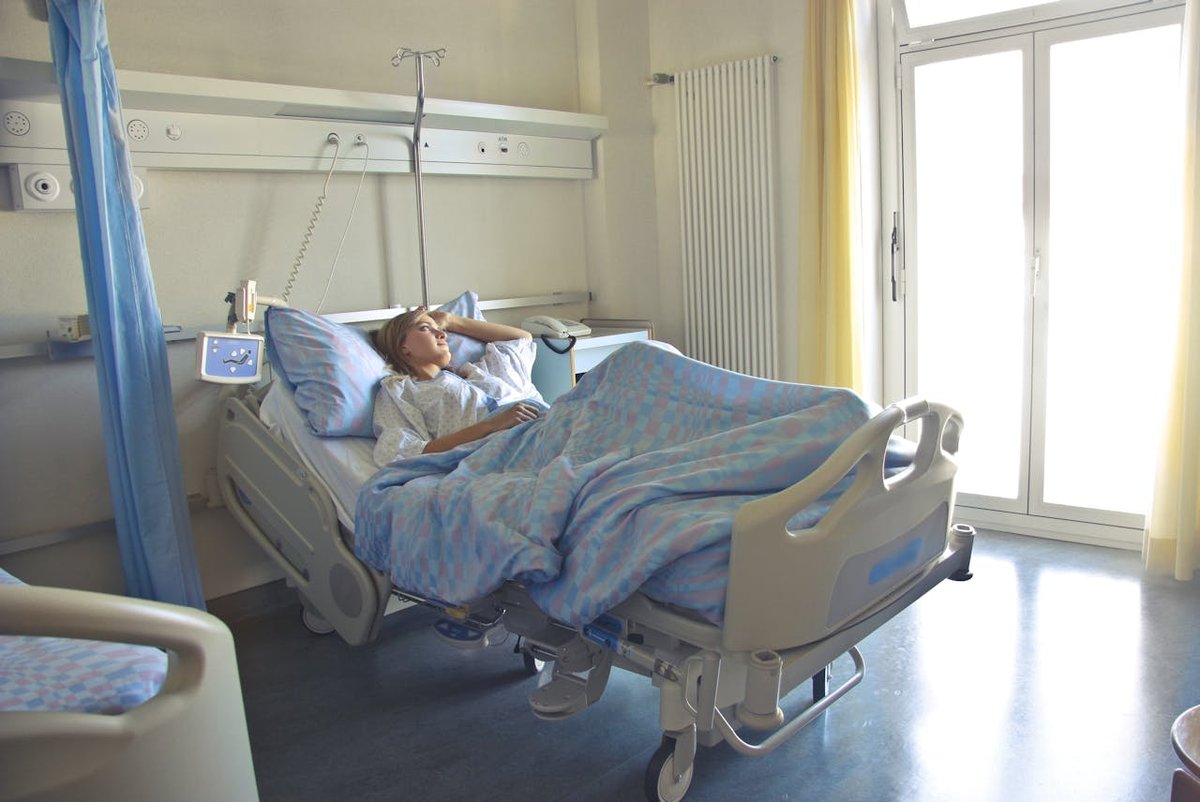
When a serious health crisis strikes, your mind should be on recovery, not crushing medical bills and lost income. This is precisely where Understanding Critical Illness Insurance: What It Covers becomes vital, offering a financial safety net designed to ease the burden during life's most challenging health events. Far too often, people assume their standard health insurance will cover everything, but critical illness policies fill significant gaps that can leave even the most prepared individuals vulnerable.
At a glance: Why Critical Illness Insurance Matters
- Lump-sum payout: You receive a direct cash payment upon diagnosis of a covered illness, not reimbursement for specific medical bills.
- Flexible use: Use the money for anything you need—mortgage, childcare, out-of-network treatments, lost wages, or even transportation to appointments.
- Beyond medical bills: Covers costs that traditional health insurance typically doesn't, like experimental therapies, lifestyle adjustments, or extended recovery.
- Common conditions covered: Protects against financially devastating diagnoses like cancer, heart attack, stroke, and kidney failure.
- Financial peace of mind: Allows you to focus on your health, knowing your finances aren't crumbling.
- Easy to obtain: Available through employers or direct from insurers.
When Life Throws a Curveball: The Unexpected Financial Impact of Critical Illness
Imagine receiving a life-altering diagnosis. Your immediate thoughts would rightfully turn to your health, your loved ones, and the road to recovery. What often gets overlooked, however, is the tsunami of financial strain that accompanies such an event. Even with excellent health insurance, a critical illness can introduce a host of unforeseen expenses that quickly deplete savings, rack up debt, and force difficult choices.
Standard health insurance is designed to cover direct medical treatment—hospital stays, doctor visits, prescriptions, and surgeries. It’s excellent for managing the cost of care. But what about the cost of living when you're too sick to work? Or the cost of an experimental treatment not covered by your primary plan? This is where many families find themselves in a precarious situation. A critical illness doesn't just impact your body; it impacts your entire financial ecosystem. This realization is key to understanding the value of critical illness insurance in today's healthcare landscape.
What Exactly is Critical Illness Insurance?
Critical illness insurance is a specialized form of health coverage that pays out a predetermined lump sum if you are diagnosed with one of the specific serious medical conditions listed in your policy. Unlike traditional health insurance, which pays medical providers directly for services, this money goes straight to you. It's designed to provide financial relief for expenses beyond what your primary health insurance typically covers.
Think of it as a financial lifeline. When a major illness hits, you might face significant deductibles, co-pays, and out-of-pocket maximums. But beyond those, there are the non-medical costs: lost income, childcare, transportation for treatments, home modifications, specialized therapies, or even just daily living expenses when you can't work. The lump-sum payment from a critical illness policy provides the flexibility to manage these financial pressures without dipping into retirement savings or taking on debt.
Diving Deep: What Conditions Does Critical Illness Insurance Typically Cover?
The core of any critical illness policy lies in its list of covered conditions. While specific illnesses vary by provider and plan, there’s a general set of major health events that almost all policies include. These are the conditions recognized for their severe impact on health and finances.
The Big Four: Most Common Covered Conditions
- Cancer: This is by far the most frequently claimed critical illness. Policies typically cover various forms of life-threatening cancer, often including invasive and non-invasive types, though definitions can vary (e.g., stage 0 cancers might be covered at a partial payout).
- Heart Attack (Myocardial Infarction): Coverage usually specifies a severe heart attack, often requiring a specific level of heart damage or biomarker elevation.
- Stroke: Policies generally cover strokes that result in permanent neurological deficit for a specified period (e.g., 30 days). Transient Ischemic Attacks (TIAs or "mini-strokes") are typically not covered unless they cause lasting damage.
- Coronary Artery Bypass Graft (CABG): This refers to open-heart surgery to bypass blocked arteries. While often grouped with heart conditions, it's a distinct surgical event covered by most plans.
Beyond the Big Four: Expanding Your Protection
Many critical illness policies extend coverage to a broader range of serious conditions, recognizing the diverse ways illness can devastate health and finances. These often include:
- Major Organ Transplant: Covering the recipient of a major organ, such as a heart, lung, liver, kidney, or pancreas.
- Kidney Failure (End-Stage Renal Disease): Requiring permanent dialysis or a kidney transplant.
- Paralysis: Loss of use of at least two limbs due to illness or injury.
- Coma: A prolonged state of unconsciousness, typically lasting a specified number of days (e.g., 96 hours).
- Severe Burns: Often defined by the percentage of total body surface area affected by third-degree burns.
- Alzheimer’s Disease/Dementia: Often requires a diagnosis of permanent and irreversible loss of mental capacity.
- Multiple Sclerosis (MS): Usually covers advanced stages with significant functional impairment.
- Parkinson’s Disease: Similar to MS, coverage often kicks in at later, more debilitating stages.
- Benign Brain Tumor: A non-cancerous growth in the brain or spinal cord that causes neurological deficits or requires surgery.
- Loss of Sight, Hearing, or Speech: Permanent and irreversible loss of one or more of these senses.
- Sudden Cardiac Arrest: Requiring resuscitation.
Niche and Emerging Conditions
Some plans may also offer coverage for:
- Progressive Diseases: Like ALS (Amyotrophic Lateral Sclerosis).
- Infectious Diseases: Such as meningitis or bacterial sepsis (less common, often specific to certain plans).
- Childhood Diseases: For policies covering dependents, conditions like Type 1 Diabetes or certain birth defects.
It’s crucial to scrutinize the policy language for specific definitions. For instance, what one insurer defines as a "severe stroke" might differ from another. Always read the fine print or consult with a qualified insurance professional to understand the nuances of critical illness plans tailored to specific conditions that might concern you most.
Recurrence Benefits: A Second Layer of Protection
A particularly valuable feature in some critical illness policies is the "recurrence benefit." This means that if you suffer a covered condition like cancer or stroke, receive your payout, and then later experience a recurrence of that same condition (or sometimes a different covered condition, depending on the policy), you may be eligible for an additional payout.
This is not standard in all policies, but it can be incredibly impactful. For example, if you beat cancer only for it to return years later, a recurrence benefit could provide another financial cushion precisely when you need it most, without having to purchase a new policy. These benefits often come with specific waiting periods between claims or limitations on the number of total payouts.
How Critical Illness Insurance Differs From Your Other Policies
Understanding the role of critical illness insurance requires differentiating it from other common forms of coverage you might already have. This isn't a replacement; it's a complement.
- Health Insurance: Your primary health insurance pays for medical treatments, hospital stays, doctor visits, and prescriptions. It focuses on paying medical providers for services. Critical illness insurance pays you directly to cover the broader financial impact of illness. For a deeper dive, consider how critical illness insurance differs from your standard health policy.
- Disability Insurance: This replaces a portion of your income if you become unable to work due to illness or injury. While there's overlap in providing income replacement, critical illness insurance pays a lump sum regardless of your ability to work, and you can use it for anything, not just lost income. Disability benefits are typically ongoing payments for a period, not a single large sum.
- Life Insurance: Life insurance pays a death benefit to your beneficiaries when you pass away. While some life insurance policies have riders for critical illness that allow early access to a portion of the death benefit, standalone critical illness insurance is focused solely on living benefits for specific diagnoses.
The key takeaway is that critical illness insurance fills gaps that these other policies often leave open. It's about protecting your financial stability, not just your medical bills or your beneficiaries' future.
Beyond the Diagnosis: How You Can Use Your Payout
The flexibility of a critical illness payout is one of its most compelling advantages. Once you receive the lump sum, you have complete control over how to use it. This freedom allows you to address the most pressing financial needs arising from your diagnosis and recovery.
Common uses include:
- Replacing Lost Income: If your illness prevents you from working, the payout can cover your salary, ensuring bills are paid.
- Medical Expenses Not Covered by Health Insurance: This might include high deductibles, co-pays, experimental treatments, out-of-network specialists, or prescription costs.
- Lifestyle Adjustments: Funds can go towards modifying your home for accessibility, hiring in-home care, or paying for transportation to and from treatment centers.
- Therapy and Rehabilitation: Physical therapy, occupational therapy, psychological counseling, or specialized rehab programs that might not be fully covered.
- Everyday Living Expenses: Mortgage or rent payments, utility bills, groceries, childcare, or even credit card debt.
- Seeking Second Opinions: Traveling to renowned medical centers for expert consultations.
- Stress Relief: Some individuals even use a portion of the payout for things that reduce stress and aid recovery, like a relaxing getaway or a housekeeper.
The bottom line: It's your money to use in a way that best supports your recovery and financial well-being.
The Cost of Protection: Understanding Premiums
The cost of critical illness insurance, like any insurance product, isn't one-size-fits-all. Premiums are influenced by several factors:
- Your Age: Generally, the younger and healthier you are when you purchase the policy, the lower your premiums will be.
- Your Health Status: Pre-existing conditions can increase premiums or lead to exclusions for specific illnesses. A health questionnaire and sometimes a medical exam are part of the application process.
- Amount of Coverage: Higher payout amounts (e.g., $100,000 vs. $25,000) will naturally result in higher premiums.
- Number of Conditions Covered: Policies covering a wider range of illnesses or offering recurrence benefits will typically cost more.
- Term Length: Policies can be term-based (e.g., 10 or 20 years) or whole life. Term policies are often more affordable initially.
- Smoking Status: Smokers almost always pay significantly higher premiums.
It’s worth noting that critical illness insurance premiums are generally quite affordable, especially for younger individuals. Many people find the peace of mind it offers well worth the monthly investment.
Securing Your Policy: Employer vs. Individual Plans
You have a couple of primary avenues for obtaining critical illness insurance:
- Through Your Employer: Many companies offer critical illness insurance as part of their benefits package, often during open enrollment periods, upon starting a new job, or during a qualifying life event (like marriage or childbirth). These group plans often come with attractive rates, and premiums are conveniently handled via payroll deduction. The downside is that coverage may not be portable if you leave your job.
- Individual Plans: You can purchase a critical illness policy directly from an insurance provider or through an independent agent. This route offers more flexibility in choosing your coverage amount, specific conditions, and policy terms. Individual plans are typically portable, meaning they stay with you regardless of your employment status.
When considering options, remember to compare policy details thoroughly. Look at the specific definitions of covered conditions, waiting periods (the time after policy purchase before a claim can be made), survival periods (the time you must survive after diagnosis to receive the payout), and any exclusions. Knowing how to choose the right critical illness insurance policy can save you a lot of grief down the line.
Common Questions and Misconceptions
"Isn't my health insurance enough?"
As discussed, no. Health insurance covers medical bills. Critical illness insurance covers the financial impact of a major illness, including non-medical expenses and lost income. It's a supplemental layer of protection.
"What if I get a critical illness but don't die from it?"
That's precisely when critical illness insurance shines. It's a "living benefit" policy, paying out upon diagnosis, not death. The focus is on helping you financially during your recovery.
"Do I need a medical exam to get critical illness insurance?"
Often, yes, especially for individual plans with higher coverage amounts. However, some employer-sponsored plans or lower-coverage policies may only require a health questionnaire.
"What's a waiting period?"
This is a period (e.g., 30 or 90 days) from the policy's effective date during which no benefits will be paid for a critical illness diagnosis. It prevents people from buying a policy immediately after receiving a diagnosis.
"What's a survival period?"
Some policies require you to survive for a specified number of days (e.g., 7, 14, or 30 days) after diagnosis before the lump sum is paid. This is less common but important to check.
"Will a critical illness policy cover pre-existing conditions?"
Generally, no. Policies typically have clauses excluding conditions you were diagnosed with or received treatment for before the policy's effective date. Always disclose your full medical history during application.
Making a Claim: What to Expect
The process of making a critical illness claim is usually straightforward once a diagnosis is confirmed.
- Notify Your Insurer: As soon as you receive a diagnosis for a covered condition, inform your insurance provider.
- Submit Documentation: You'll need to provide medical records, diagnostic test results, and a physician's statement confirming the diagnosis and that it meets the policy's definition of the critical illness.
- Review and Payout: The insurer will review your claim against the policy terms. If approved, the lump sum payment will be issued directly to you.
Understanding the critical illness insurance claim process upfront can help alleviate stress during an already difficult time. While insurers vary, the goal is typically to expedite the payment once all necessary documentation is received and verified.
Is Critical Illness Insurance Right for You? Key Considerations
Deciding whether critical illness insurance is a wise investment depends on your personal circumstances, financial situation, and risk tolerance. Here are a few questions to ponder:
- What are your savings like? Do you have a robust emergency fund (at least 6-12 months of living expenses) that could absorb significant unexpected costs and lost income?
- What's your family history? Are critical illnesses common in your family tree? While not a guarantee, it can indicate a higher personal risk.
- What's your financial responsibility? Do you have dependents, a mortgage, or other significant financial obligations that would be jeopardized by a major illness?
- How much income could you afford to lose? Consider how long you could go without your primary income source before facing severe financial hardship.
- Are you comfortable with the "what ifs"? Critical illness insurance is about mitigating the "what if" scenarios that can derail even the best-laid financial plans.
For many, the peace of mind that comes with knowing a financial safety net is in place far outweighs the cost of premiums. It's an investment in your future health and financial security, allowing you to focus on recovery without the added burden of economic stress.
Taking the Next Step: Protecting Your Future
Navigating the complexities of health and personal finance can be daunting, but understanding tools like critical illness insurance empowers you to build a more resilient financial future. By providing a direct, lump-sum payout upon diagnosis of a serious condition, this type of policy offers a crucial layer of protection that your standard health insurance simply cannot.
Whether you're exploring options through your employer or considering an individual plan, take the time to research, compare policies, and ask questions. Talk to a financial advisor or an insurance professional who can help you assess your needs and guide you toward a policy that provides the right level of coverage for you and your family. Your health is your most valuable asset; protecting it financially is an act of foresight and self-care.