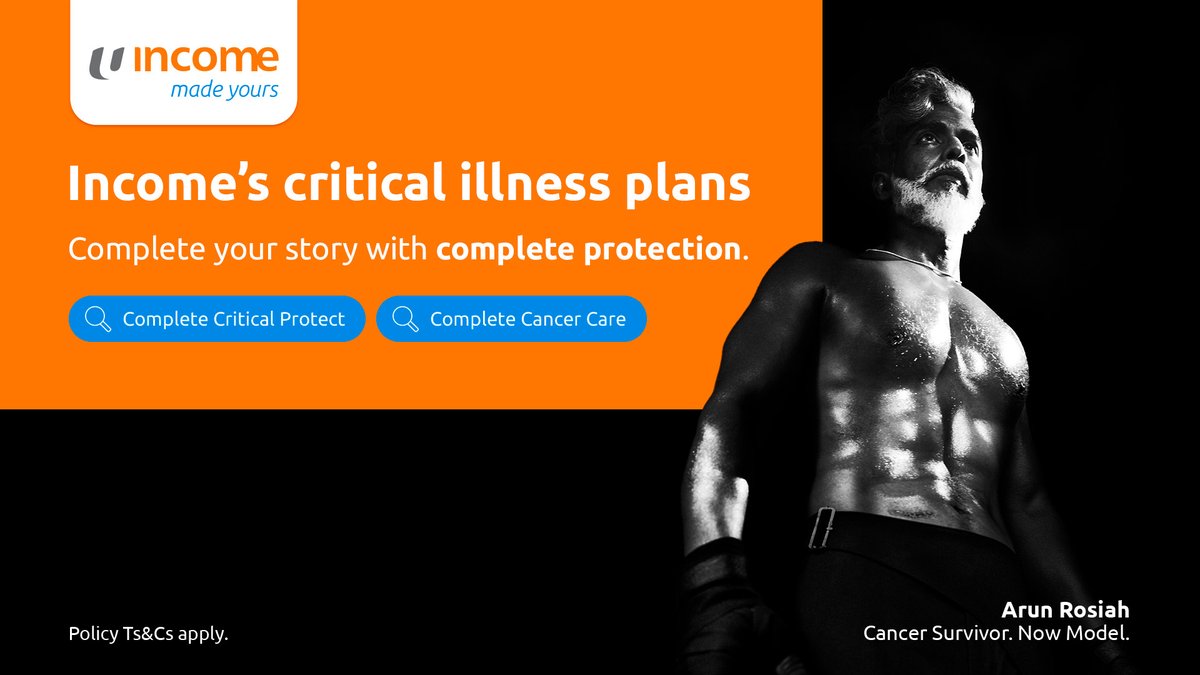
When you think about critical illness, the last thing you want to worry about is the cost of protecting yourself financially. Yet, understanding the Cost Factors & Affordability of Critical Illness Plans is precisely what empowers you to make a smart, confident decision. It's not just about finding the cheapest policy; it's about finding the right policy that fits your budget and genuinely provides peace of mind when you need it most.
Think of it like buying a car: you wouldn't just look at the sticker price. You'd consider the engine size, the features, the safety ratings, and how those elements affect its value and your wallet down the road. Critical illness insurance is no different. The premium you pay is a finely tuned reflection of many moving parts, all designed to assess risk and provide a financial safety net against life's most challenging health events.
At a Glance: Key Takeaways on Critical Illness Plan Costs
- Age Matters: Applying younger locks in lower rates for the long term.
- Coverage Customization: You control costs by choosing your benefit amount and the number of illnesses covered.
- Health Profile is Key: Your current health, lifestyle, and medical history significantly influence your premium.
- Shop Around: Prices vary widely between insurers for similar coverage.
- Riders Add Up: Optional add-ons can enhance coverage but will increase your overall cost.
- Payment Frequency: Annual payments can often be more cost-effective than monthly.
The Unseen Burden: Why Critical Illness Protection Matters
Imagine receiving a life-altering diagnosis – cancer, a heart attack, a stroke. Your immediate focus should be on recovery, on fighting, on being there for your family. What you don't want to be thinking about is how you'll pay the mortgage, cover daily living expenses, or manage the inevitable non-medical costs that health insurance doesn't touch.
Critical illness insurance provides a lump-sum cash payment upon diagnosis of a covered condition. This isn't for doctor's visits or hospital stays (that's what your health insurance is for); it's for life itself. It can replace lost income, pay off debts, fund experimental treatments, or even allow a spouse to take time off work to be a caregiver. Without this protection, a critical illness can swiftly unravel years of financial planning, turning a health crisis into an economic disaster. This makes the question of Is critical illness insurance worth it? a vital one for many families and individuals today.
So, what exactly goes into calculating the price tag of this crucial financial shield? Let's pull back the curtain on the factors that drive premiums.
The Anatomy of a Premium: Core Cost Factors Explained
Every critical illness insurance policy premium is a unique calculation, tailored to your specific profile and the coverage you choose. Insurers meticulously assess various elements to determine the level of risk they're taking on.
1. Your Age at Application: The Prime Lever
This is arguably the single most impactful factor. The older you are when you apply, the higher your premium will be. Why? Because the statistical likelihood of developing a critical illness increases significantly with age. An insurer sees a younger applicant as a lower immediate risk.
- Impact: Applying at 30 versus 50 could mean a difference of hundreds, even thousands, of dollars annually over the life of the policy.
- Insight: Locking in a lower rate when you're younger is one of the most powerful cost-saving strategies.
2. The Coverage Amount: How Much Financial Cushion?
This is straightforward: the higher the lump-sum benefit you choose, the higher your premium. This benefit amount should reflect your potential financial needs if you were to suffer a critical illness.
- Considerations: Think about mortgage payoff, income replacement for 1-3 years, out-of-pocket medical expenses not covered by health insurance, childcare, and even costs for home modifications.
- Example: A $100,000 policy will cost less than a $500,000 policy, but also offers less protection.
3. Number of Illnesses Covered: Broader Protection, Higher Cost
Critical illness plans aren't all created equal when it comes to the sheer volume of conditions they cover. Some policies might focus on the "big three" – cancer, heart attack, and stroke – while others offer comprehensive coverage for dozens of conditions, including kidney failure, multiple sclerosis, organ transplants, Parkinson's disease, and more.
- Trade-off: Policies covering a wider array of conditions naturally come with a higher premium because the likelihood of claiming on any of those conditions increases.
- Decision Point: Carefully evaluate your family history and risk factors to decide if broader coverage justifies the added cost.
4. Your Health and Lifestyle: Underwriting's Deep Dive
This is where the insurer truly assesses you. During the underwriting process, they'll look at a comprehensive picture of your health.
- Medical History: Past diagnoses, treatments, and family history of critical illnesses (e.g., early onset heart disease or cancer in parents/siblings) can influence rates.
- Current Health: Conditions like diabetes, high blood pressure, or elevated cholesterol will be considered.
- Smoking Status: This is a major red flag for insurers. Smokers often pay significantly higher premiums – sometimes double – due to the increased risk of heart disease, stroke, and various cancers.
- Weight/BMI: Being significantly overweight or obese can increase premiums.
- Alcohol/Drug Use: Patterns of use are assessed for potential health impacts.
- Occupation: Certain high-risk occupations might carry slightly higher premiums, though this is less common for critical illness than for life insurance.
- Insight: Maintaining a healthy lifestyle isn't just good for you; it's good for your wallet when it comes to insurance.
5. Policy Term Length: Short-Term vs. Lifelong Security
Just like life insurance, critical illness plans come with different term lengths.
- Shorter Terms (e.g., 10, 20, 30 years): These typically have lower premiums because the insurer's risk exposure is limited to a specific period. They often align with major financial commitments like a mortgage.
- Permanent or Lifelong Policies: These offer coverage for your entire life, meaning the insurer's risk is extended indefinitely. As such, they generally come with higher premiums.
- Strategy: Consider matching your term length to your peak earning years or major financial obligations.
6. Optional Riders or Add-Ons: Enhancements That Cost
Many policies offer optional features, called "riders," that can customize your coverage but also increase your premium.
- Return of Premium Rider: This popular add-on refunds all or a portion of your premiums if you don't claim on the policy by the end of the term or if you pass away. It essentially acts as a savings mechanism but significantly increases your initial premium.
- Waiver of Premium Rider: If you become totally disabled and can no longer work, this rider ensures your premiums are waived, and your coverage remains in force.
- Child Coverage Rider: Extends a smaller benefit to your children if they are diagnosed with a critical illness.
- Insight: Evaluate each rider carefully. Is it a "must-have" for your peace of mind or a "nice-to-have" luxury?
7. The Insurance Company: Not All Providers Are Created Equal
Different insurance companies have their own proprietary risk assessment models, underwriting guidelines, and operational overheads. This means that for virtually identical coverage, you can see significant price variations from one insurer to another.
- Why it Matters: A company that specializes in a particular type of risk might offer better rates for certain demographics or health profiles.
- Action: This factor underscores the importance of shopping around and comparing quotes from multiple providers.
8. Inflation Protection: Keeping Pace with Rising Costs
Medical costs and the cost of living rarely stand still. An optional inflation protection rider automatically increases your coverage amount over time (e.g., by 3% annually) to ensure your benefit keeps pace with inflation.
- Benefit: This prevents your lump sum from being eroded by rising costs, meaning its purchasing power remains strong years down the line.
- Cost: The trade-off is a higher premium, as the insurer is committing to a larger potential payout in the future.
9. Regional and Geographic Factors: Location, Location, Location
Where you live can subtly influence your critical illness premiums. Insurers analyze aggregated data based on regions.
- Elements Considered: Local healthcare costs, the prevalence of certain diseases in a specific area, lifestyle trends, and demographic profiles can all feed into premium calculations.
- Example: A region with higher rates of heart disease or cancer, or where advanced medical treatments are particularly expensive, might see elevated premiums.
10. Payment Structure/Frequency: Small Fees Add Up
How often you pay your premium can also impact the total cost.
- Annual Payments: Often the most cost-effective option, as some insurers offer a slight discount for paying the entire year upfront.
- Semi-Annual, Quarterly, or Monthly Payments: While more convenient for budgeting, these options may include administrative fees or a slightly higher cumulative cost over the year.
- Recommendation: If feasible, paying annually can save you a small but noticeable amount over time.
11. Advances in Medical Technology, Early Diagnosis, and Timely Treatment
This factor has a nuanced, dual impact on premiums.
- Positive Impact: Improvements in medical technology, earlier diagnostic tools, and more effective treatments can reduce the severity and duration of illnesses. This could lead to lower claim amounts and, consequently, lower premiums for certain conditions.
- Negative Impact: Conversely, the development of expensive cutting-edge treatments and pharmaceutical innovations can significantly drive up overall healthcare costs. This upward pressure on costs can sometimes translate to higher premiums, especially if insurers anticipate more frequent claims for high-cost treatments.
- Overall: Insurers constantly recalibrate premiums based on the evolving medical landscape and its financial implications.
Beyond the Premium: Understanding True Affordability
"Affordable" is a highly personal concept. What's affordable for one person might be a significant stretch for another. When considering the affordability of critical illness plans, it’s not just about the monthly payment; it's about the value it provides in proportion to your financial stability and peace of mind.
True affordability means:
- Sustainable Payments: Can you comfortably make the premium payments without jeopardizing other essential expenses?
- Adequate Coverage: Does the policy offer enough benefit to genuinely make a difference if you get sick? A policy that's "cheap" but provides too little coverage might not be truly affordable in the long run if it doesn't meet your needs.
- Long-Term Value: Are you getting the most bang for your buck by considering all the cost factors and optimizing your choices?
It’s a balancing act: finding the sweet spot where the coverage meets your potential needs without straining your current budget.
Smart Strategies to Control Costs & Maximize Value
Now that you understand the mechanics behind critical illness plan costs, let's explore actionable strategies to make this crucial protection more affordable and valuable for you.
1. Act Early: The Age Advantage is Real
This can't be stressed enough. Purchasing a critical illness policy when you're younger and healthier is the single best way to secure lower premiums for the long haul. Premiums typically increase with each birthday, and any health issues that develop later in life will only compound that cost. Don't procrastinate on this one.
2. Tailor Your Coverage: Needs vs. Wants
Review your financial situation and family history carefully.
- Coverage Amount: How much would you realistically need to cover major expenses, lost income, and allow for recovery time? Don't over-insure, but don't under-insure either. A common guideline is 1-3 years of your income, or enough to pay off your mortgage.
- Number of Illnesses: While broader coverage is appealing, if your budget is tight, focus on the most common and financially devastating conditions first (e.g., cancer, heart attack, stroke). You can always review and potentially upgrade later if your finances improve.
3. Comparison Shopping: Your Secret Weapon
Never settle for the first quote you receive. Different insurers specialize in different risk profiles and have varying pricing structures.
- Process: Get quotes from at least three to five reputable insurance providers.
- Focus: Compare not just the premium, but also the specific illnesses covered, the definitions of those illnesses (which can vary!), and any unique policy features. A slightly higher premium might be worth it for more generous definitions or a broader range of covered conditions.
4. Rider Rethink: Essential vs. Extra
Those optional riders can be attractive, but they significantly impact your premium.
- Prioritize: Decide which riders are truly essential for your peace of mind and which are "nice-to-haves" that you can live without, especially if you're trying to keep costs down.
- Example: A "waiver of premium" rider might be crucial if your job is physically demanding and disability is a major concern, while a "return of premium" rider, though appealing, might be the first to cut if the added cost is too high.
5. The Waiting Game: Deductibles and Waiting Periods (Where Applicable)
Some critical illness policies might offer options similar to health insurance, like waiting periods or deductibles, though this is less common for the lump-sum payout model.
- Consideration: If available, opting for a longer waiting period (the time between diagnosis and payout) or a higher deductible (a small upfront cost you bear) can lower your premiums. However, be aware of the trade-off: you'd need to cover initial costs yourself for longer.
6. Healthy Living Rewards: Your Lifestyle, Your Premium
While you can't change your age or family history, you can control your lifestyle.
- Benefits: Quitting smoking, managing your weight, controlling chronic conditions like high blood pressure, and reducing alcohol intake can lead to lower premiums now or in the future. Insurers offer preferred rates to individuals deemed lower risk.
- Action: If you've made significant positive health changes, ask your insurer if you qualify for re-evaluation or a better rate.
7. Regular Check-ups: For You and Your Policy
Life changes, and so should your insurance coverage.
- Periodic Review: Annually or every few years, review your critical illness policy alongside your changing health status, financial obligations (e.g., paid off mortgage, kids are grown), and income.
- Adjustments: You might find you can reduce your coverage amount or drop certain riders, thereby lowering your premium, or conversely, that you need more coverage.
8. Avoid Delay: Why Procrastination Costs More
The cost of waiting usually outweighs any perceived benefit of putting off a decision. Every year you delay, your premiums will likely increase due to age, and you run the risk of developing a health condition that could make coverage more expensive, or even impossible, to obtain. Purchasing an affordable policy now is almost always better than waiting.
Common Questions & Misconceptions About Critical Illness Plans
Navigating insurance can be confusing. Let's tackle some frequently asked questions.
"Isn't my health insurance enough?"
No, not entirely. Health insurance covers medical bills like hospital stays, doctor's visits, and prescriptions. Critical illness insurance provides a lump sum cash payment directly to you, which you can use for anything: mortgage payments, lost income, childcare, experimental treatments not covered by health insurance, or even just daily living expenses. It's designed to protect your finances, not just your medical bills. They complement each other, but one cannot fully replace the other.
"What if I never get sick? Is it a waste?"
This is a common concern. Critical illness insurance is a form of risk management. You hope you never need it, just as you hope you never need car insurance after an accident. If you remain healthy and never claim, it means you've successfully navigated life without a major health crisis, which is a wonderful outcome. For those who choose a "return of premium" rider, you might even get your premiums back, making it a forced savings mechanism. However, for most policies, the peace of mind knowing you would be protected is the primary value.
"Can I get critical illness insurance if I have a pre-existing condition?"
It depends on the specific condition, its severity, and the insurance company's underwriting guidelines. Some conditions might result in a higher premium, while others might lead to an exclusion for that specific condition. In some cases, if the condition is too severe, you might be declined. It's always worth applying, as different insurers have different risk appetites. Be honest and thorough in your application to avoid issues later.
"Are all critical illness plans the same?"
Absolutely not. As discussed, they vary significantly in:
- Number of covered illnesses: From a few major ones to dozens.
- Definitions of illnesses: What one company considers a "heart attack" might have slightly different criteria than another. Read these carefully.
- Payout structure: Some may have partial payouts for less severe conditions.
- Riders and optional benefits: These add customization but also cost.
- Premium costs: As explored, these differ widely.
Always compare policy documents, not just prices.
Making an Informed Decision: Your Next Steps
Understanding the Cost Factors & Affordability of Critical Illness Plans is the first, crucial step toward smart financial protection. You're now equipped with the knowledge to dissect quotes, ask the right questions, and tailor a policy that genuinely meets your needs without breaking the bank.
Your next steps should be clear:
- Assess Your Needs: Determine how much coverage you truly need and which critical illnesses are most concerning given your personal and family health history.
- Gather Your Health Information: Be ready to accurately share your medical history, lifestyle habits, and any pre-existing conditions.
- Shop Smart: Obtain quotes from several reputable insurers, comparing not just the premiums but the detailed policy terms and conditions.
- Consult an Expert: Consider speaking with an independent insurance advisor. They can help you navigate the complexities, explain different policy options, and find the best fit for your unique situation.
Don't wait for a crisis to realize the value of this protection. Take control of your financial future today, securing the peace of mind that comes from knowing you're prepared for whatever life throws your way.